The Concept of Luck in Gambling
Luck plays a central role in the realm of gambling, especially in a casino environment where chance dictates outcomes. Many players enter casinos with the belief that luck can be harnessed through various means, such as rituals or superstitions, and platforms like 1dracula-casino.co.uk highlight this fascination with luck. This pervasive belief raises the question of whether luck can be quantified or explained in a statistical context, where numbers and odds dominate the gaming landscape. While the outcomes of games like slot machines or roulette are fundamentally random, the experience can influence how players perceive their own luck.

In various cultures, luck is attributed to different symbols or rituals, from carrying a lucky charm to performing specific actions before a game. This psychological aspect intertwines with the statistical reality of games where probabilities are predetermined. For example, in games of chance, the house always maintains an edge, illustrating that no amount of personal belief in luck can alter the underlying mathematics. Yet, casino-goers often report that their perceived luck fluctuates based on personal experiences, creating an interesting dichotomy between belief and reality.
Moreover, the role of luck in gambling also ties into the concept of variance, which indicates how much a player’s results can swing over time. Players may experience streaks of wins or losses that can make them feel lucky or unlucky, further complicating the idea of measuring luck. The truth is that while the mathematical probabilities remain constant, individual experiences are incredibly varied and subjective. Thus, one player’s perception of being lucky can differ greatly from another’s, making the concept of luck both complex and deeply personal.
Statistical Analysis of Casino Games
When exploring the notion of luck in casinos, it’s essential to look at statistical analysis, which provides a framework for understanding probabilities. Each game has a mathematical edge defined by the law of large numbers, demonstrating how outcomes balance out over time. For instance, in a game of blackjack, the odds are affected by the number of decks in play and player strategy, which alludes to a blend of skill and luck. Players must navigate these odds to maximize their chances of winning while realizing that luck will ultimately influence short-term outcomes.
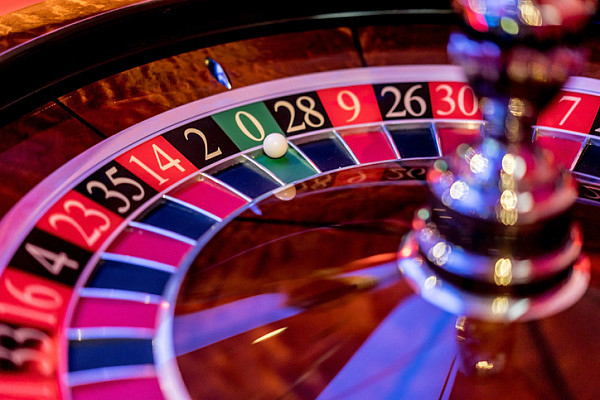
The randomness of outcomes in games such as dice or roulette presents an environment where luck seems to govern. The gambling industry employs rigorous statistical models to determine odds and payouts, illustrating that luck is governed more by chance than by any measurable capacity. For example, every spin of a roulette wheel is an independent event, meaning that previous results do not affect future spins. This concept reinforces the idea that while some players may feel lucky due to short-term wins, long-term success is dictated by the mathematics behind the games.
Furthermore, slot machines are programmed with a return-to-player (RTP) percentage, which indicates how much money is returned to players over time. While this statistic can guide player expectations, individual experiences still vary significantly, leading to a perception of luck in short bursts. Thus, while statistical analysis offers insight into the nature of luck in casinos, it also reveals the limitations of measuring luck through numbers alone. Ultimately, the blend of personal experience and statistical reality creates a unique gambling journey for every player.
The Impact of Psychological Factors
The psychological aspect of gambling introduces a new layer to the discussion of luck in casinos. Players often bring their emotions and mental states into the gaming experience, which can significantly influence their perception of luck. For example, a player who is feeling optimistic may experience a winning streak and associate this success with being lucky, while another player in a negative mindset may feel a similar stretch of losses reflects bad luck. This phenomenon shows how subjective feelings can obscure the true nature of luck.
Cognitive biases also play a crucial role in shaping players’ beliefs about luck. The gambler’s fallacy, for instance, leads individuals to believe that past events influence future outcomes in independent games. A player might think that a series of losses increases the likelihood of winning subsequently, which is far from the truth in a random setting. Such biases can lead to risky behaviors, where players continue to gamble longer than they should in hopes of reversing a seemingly unlucky streak.
Furthermore, the environment within casinos can amplify feelings of luck or unluckiness. The colorful lights, sounds of machines, and atmosphere of excitement can create an illusion of being in a ‘lucky’ place. This psychological conditioning can lead players to believe they are more likely to win in certain areas or during certain times, which underscores how luck is not just a measurable statistic but also a psychological experience influenced by ambiance and mood. Thus, the interaction between psychology and gambling highlights how personal beliefs about luck can skew the actual experience in a casino.
Understanding Volatility and Risk Management
Another critical aspect of measuring luck in a casino is understanding volatility and risk management. Both factors are integral to a player’s approach to gambling, especially when attempting to quantify their luck. Volatility refers to the risk associated with a particular game, with high-volatility games offering fewer wins but larger payouts, while low-volatility games provide more frequent but smaller wins. Players must evaluate which types of games align with their risk tolerance and overall strategy but should remain mindful that volatility impacts the perception of luck.
Effective risk management strategies can help players navigate the unpredictable nature of luck in gambling. Budgeting for losses, setting win and loss limits, and recognizing when to walk away can enhance the experience and mitigate the risks associated with chance. Employing a disciplined approach can help players maintain a more rational perspective on their luck, reducing the emotional highs and lows typically linked with gambling. This strategic mindset enables participants to focus on the game itself rather than the fleeting nature of luck.
Moreover, understanding that luck can be both short-lived and long-term can aid players in managing their expectations. Players might experience short-term winning streaks that feel lucky but tend to return to statistical averages in the long run. By being aware of this principle, gamblers can build strategies that incorporate both elements of skill and luck, allowing them to enjoy their time at a casino while remaining grounded in the reality of odds and probabilities. Ultimately, applying risk management within the context of luck enhances the overall gaming experience.
Your Go-To Resource for Gaming Insights
This website serves as an invaluable resource for anyone looking to explore the intricate world of gambling and the complexities of luck in casinos. With detailed articles, tips, and expert analyses, visitors can deepen their understanding of the many factors influencing their gaming experiences. Whether you’re a seasoned gambler or a curious newcomer, our content is designed to equip you with the knowledge necessary to approach casino games with confidence.
By providing insights into statistical analysis, psychological factors, and effective risk management strategies, this platform allows players to navigate the often confusing landscape of luck in gambling. We aim to empower you to make informed decisions and enjoy a balanced gaming experience. Engaging with our content can help demystify the concept of luck and illuminate the unpredictable nature of casino games.
Join us as we delve into the fascinating interplay between chance and strategy, providing you with the tools to understand and appreciate the role of luck. Our commitment is to offer quality information that enhances your gaming journey, ensuring you leave with not just stories of luck but also valuable lessons learned from the unpredictable nature of casinos.